Please note: Some links on this page are affiliate links (including B&H and Adorama). This means I may earn a small commission if you purchase through those links—at no additional cost to you.
My Photography Journey: From Pentax to Nikon
I still remember the Pentax K1000 camera I learned photography on—an iconic utilitarian masterpiece with its silver top plate, black leatherette wrap, and simple controls.
A true minimalist’s dream. A tank-like build with a classic vintage look. Elegant simplicity.
When I moved into the Nikon family in the late ’80s, as the autofocus revolution took hold, the Pentax K1000 always held a special place in my heart. I enjoyed Nikon’s boxy, contoured bodies and modern innovations, but I never felt the same romance.
Is this married life?
As the years passed, the Pentax sat on a bookshelf—a reminder of a romance lost. I stayed committed to my Nikon marriage, but in 2012 and 2014, I developed a serious case of relationship envy.
Hello, Fuji
What happened in those two years?
Hello Fuji X-Pro1 and X-T1.
Their retro, rangefinder-style designs were enough to spur a wandering eye. I stayed loyal to Nikon, but the Fuji hits just kept coming with the X-Pro and X-T series.
By 2023, my lust for vintage vibes reached its peak. The Fuji X-T5 sat in my shopping cart for a full week. I knew what a divorce like this could cost—credit card debt from new lenses during the euphoric early stages of a new romance.
Then I saw it.
Enter the Nikon Zf
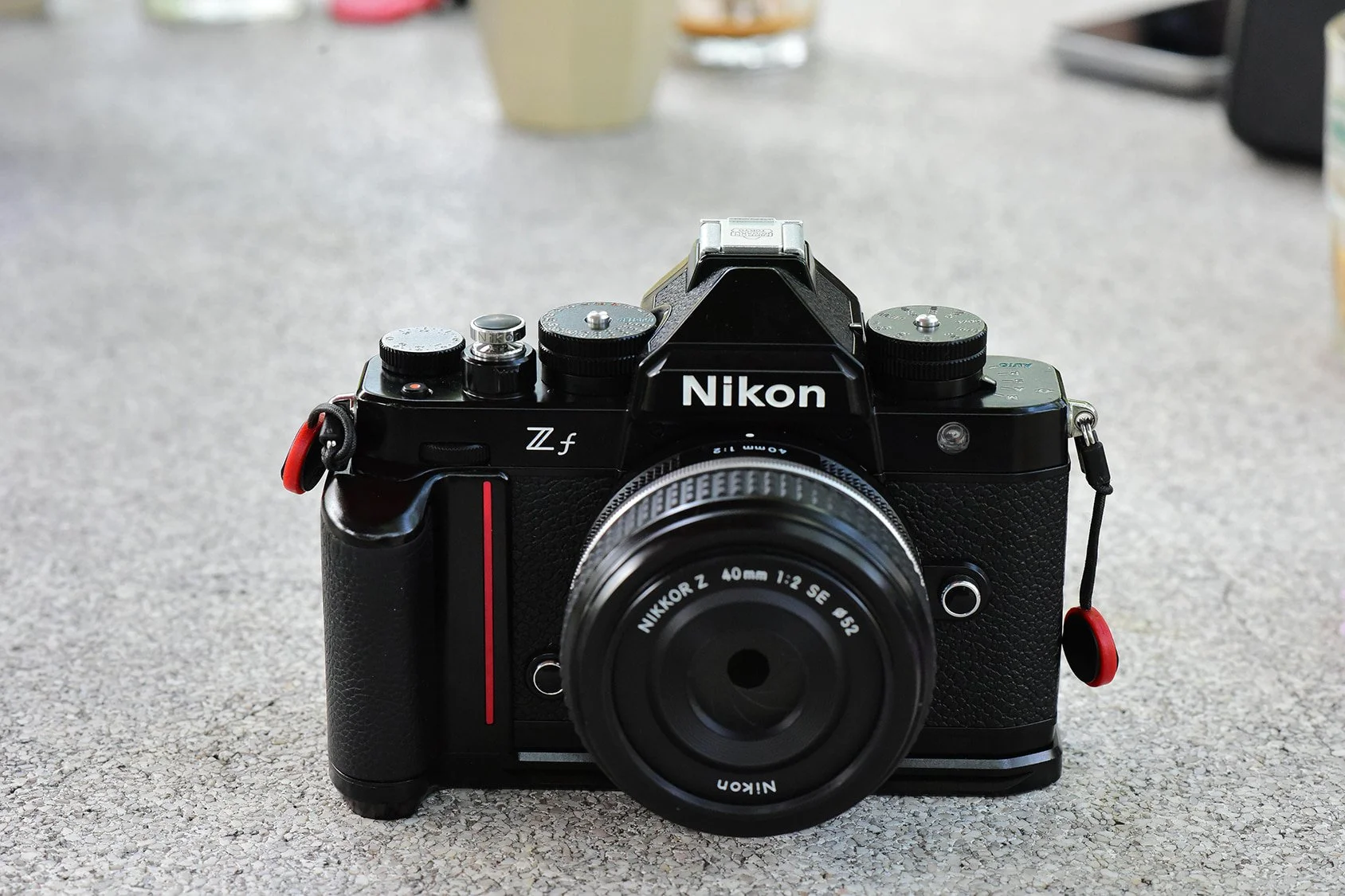
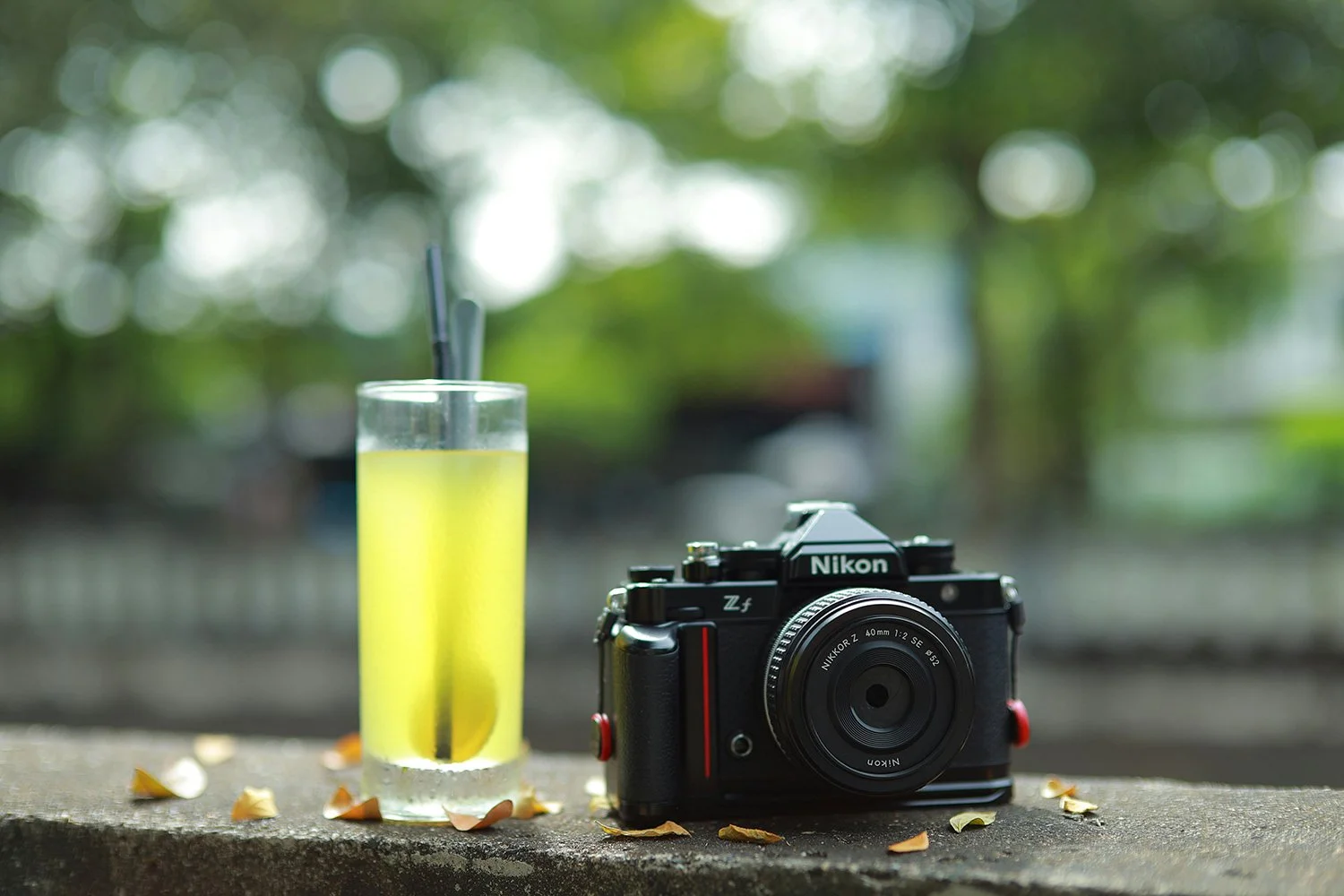
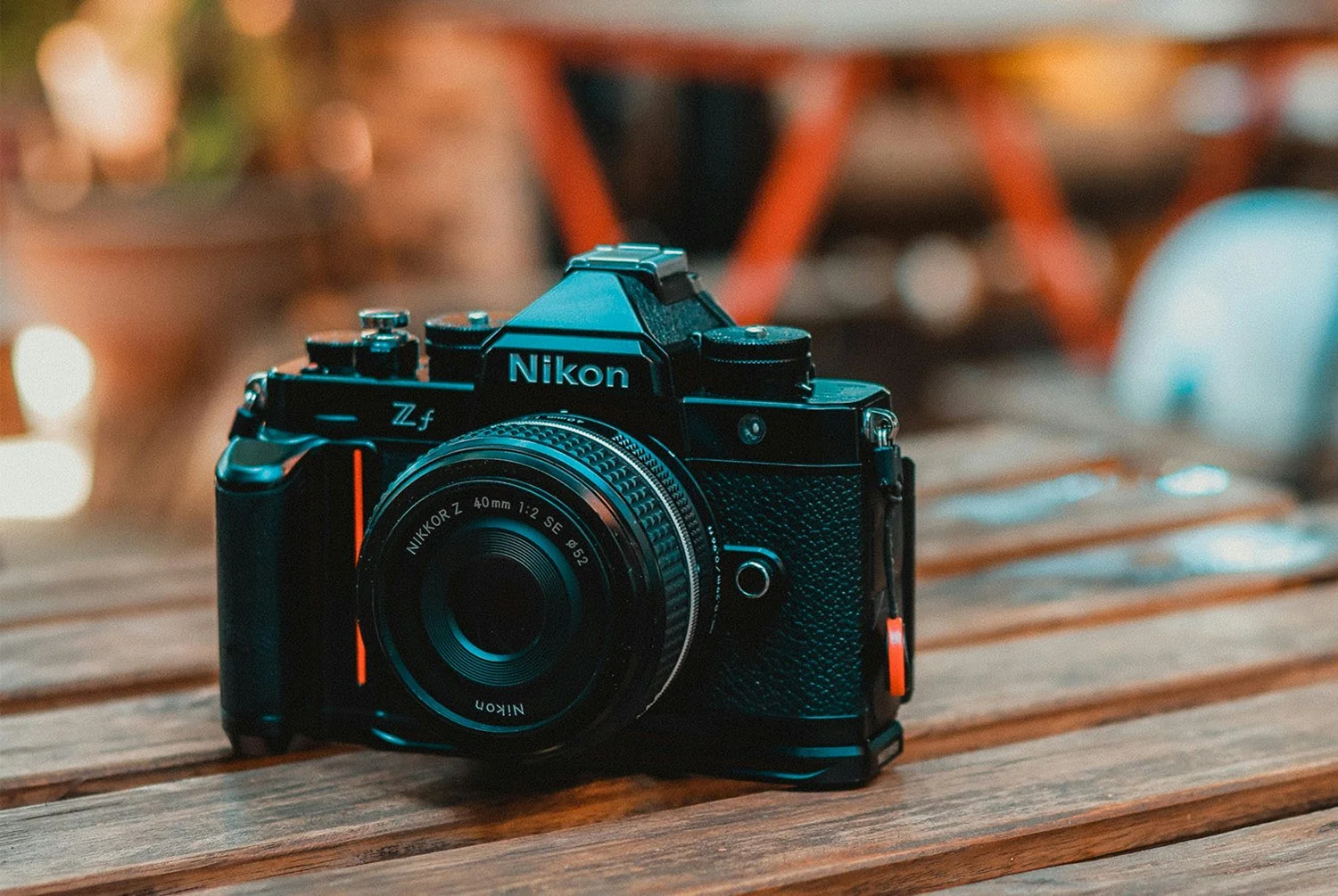
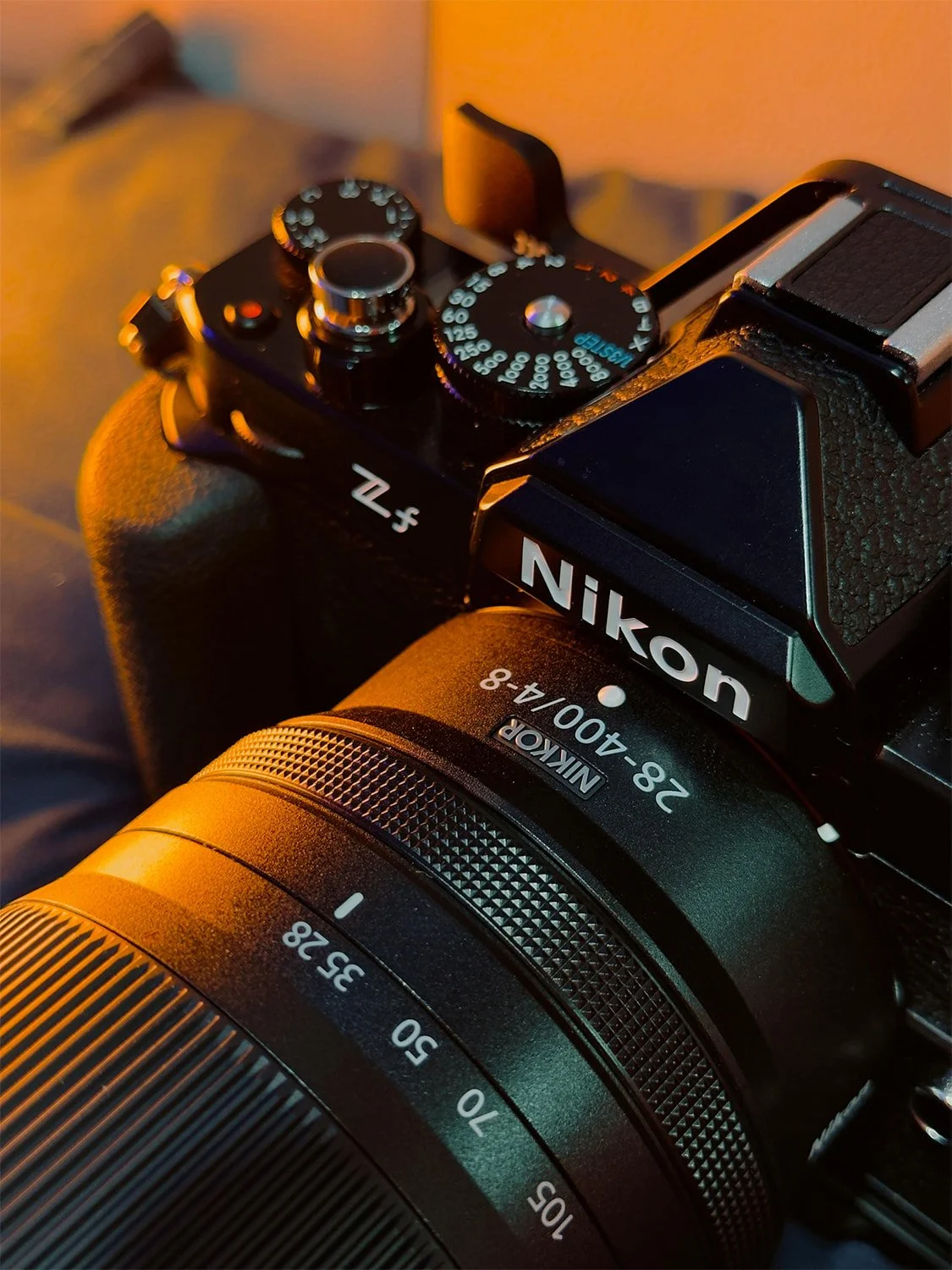
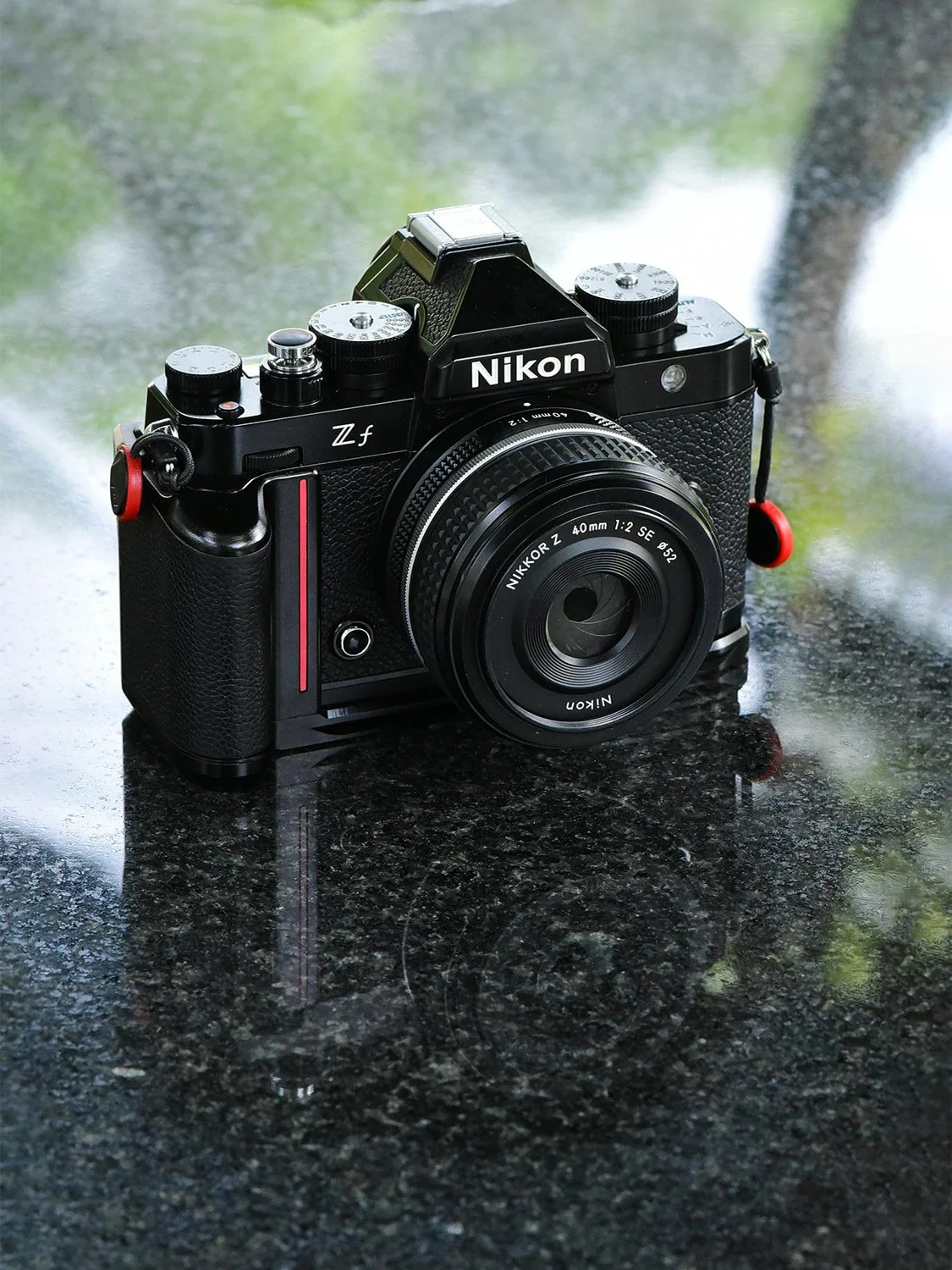
The Nikon Zf—with its retro design, glossy finish, tactile controls, and classic Nikon logo on the top plate—stopped me cold.
Could this be the authentic vintage aesthetic with modern performance I’d been looking for?
I had to find out.
Unboxing: Love at First Hold
Unboxing the Zf was the most excited I’ve ever been about buying myself an unbirthday present. The matte gray box stood apart from Nikon’s usual glossy black-and-yellow packaging.
Holding the camera, it felt like a piece of art.
But before we go any further, it’s important to define relationship expectations.
What I Wanted From the Nikon Zf
Here’s what I needed the Zf to be:
A backup camera to my Nikon Z8
Capable enough for landscape and bird photography
My main camera for street and casual shooting
A tool to reignite the joy of getting out and creating
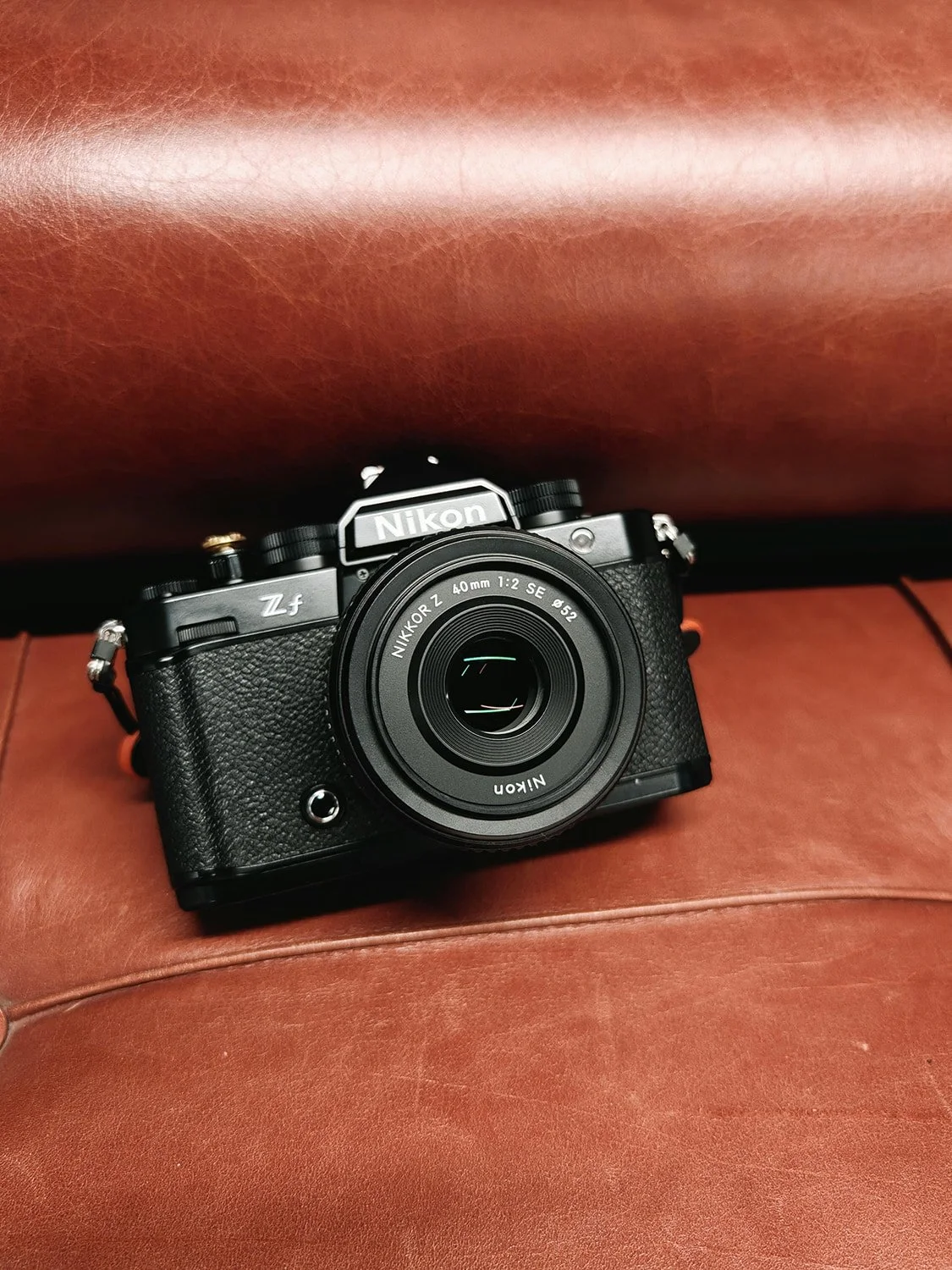
Weighty and Awkward — The Camera Version of a Handshake Gone Wrong
After a few minutes—once the intrigue wore off—the first thing I noticed was the weight. “Heavy” isn’t quite right. Weighty is better. Robust. Built to last. High quality.
The second thing I noticed?
This thing is impossible to hold.
And let me be crystal clear:
Not “annoyingly hard.”
Not “a little uncomfortable.”
Not usable.
At that moment, I should have boxed it up and returned it. If you buy a car and the steering wheel barely works, you don’t buy a steering wheel accessory—you buy another car.
But blinded by beauty and uniqueness, I pressed on. You know those relationships that are clearly over, but you hang on another six months waiting for a convenient off-ramp.
Aftermarket Grip: A Necessary Compromise
A quick internet search confirmed I wasn’t alone. Aftermarket solutions were already available, so I bought the SmallRig L-shaped grip with Arca-Swiss dovetailing.
Important clarification:
This is an L-shaped grip, not an L-bracket.
❌ No portrait orientation on a tripod
❌ Not acceptable for serious landscape work
❌ No stable grip/bracket combo I trusted in the field
My relationship needs were already not being met.
Even with the grip attached, anything larger than my Nikon 24-120mm was cumbersome. This was especially disappointing because the Zf includes dedicated bird-detection autofocus—a cornerstone feature for a Z8 backup.
Attaching a Nikon 100-400mm to this camera felt like bolting it onto a bar of soap. “Uncomfortable” doesn’t begin to cover it.
Newton, Memory Cards, and Tweezers
As Isaac Newton said, “For every action, there is an equal and opposite reaction.” That law absolutely applies here.
The Arca-style base plate creates such a deep recess that once the battery door is open, you can’t grab the memory card.
I had to keep tweezers in my bag.
Speaking of memory cards…
One slot is microSD
Acceptable for a drone
Not acceptable for a full-frame camera
I expect dual SD cards, period. This wasn’t a deal-breaker if you never remove the microSD—unless it fails.
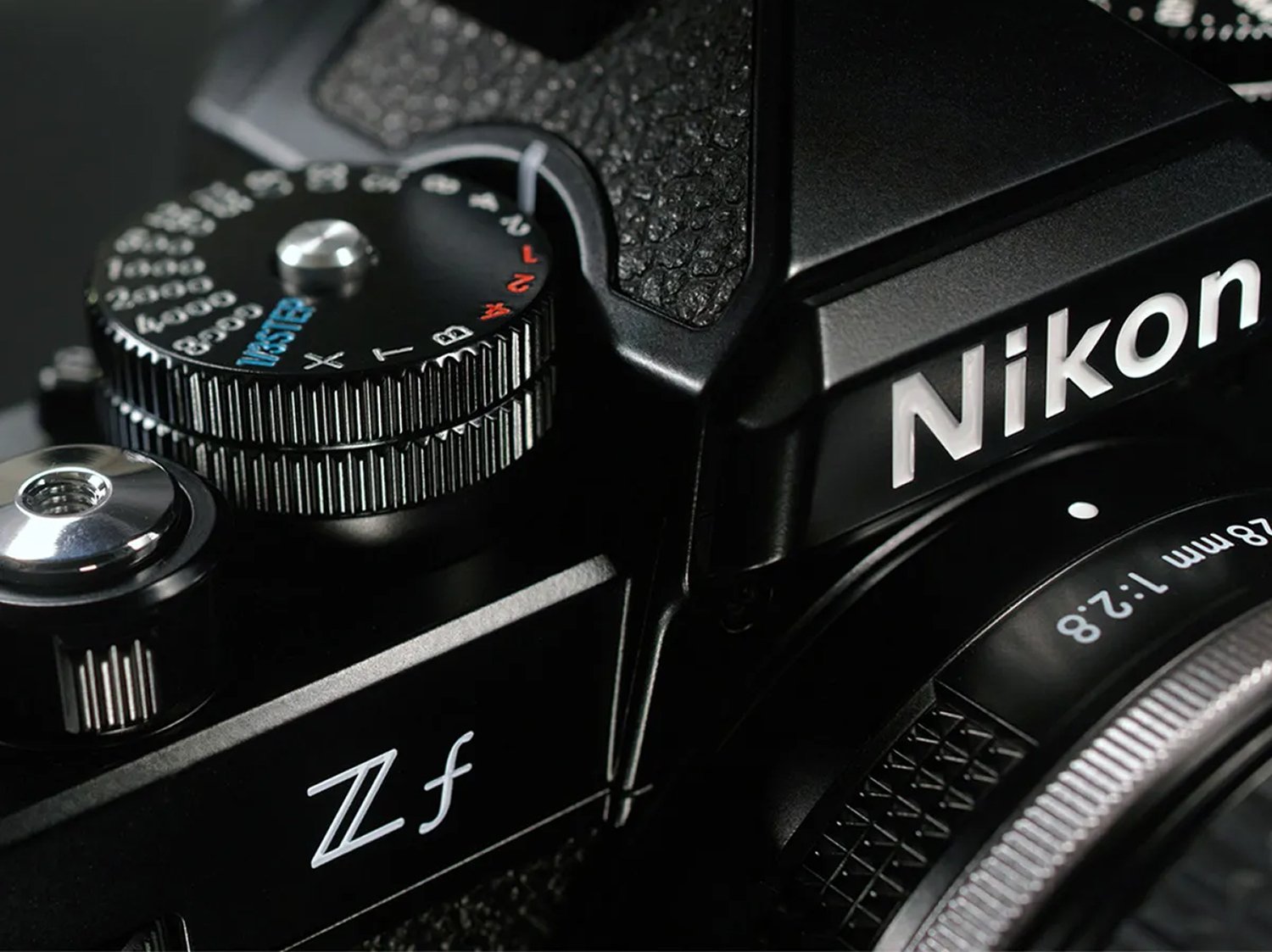
Auto ISO: A Missed Opportunity
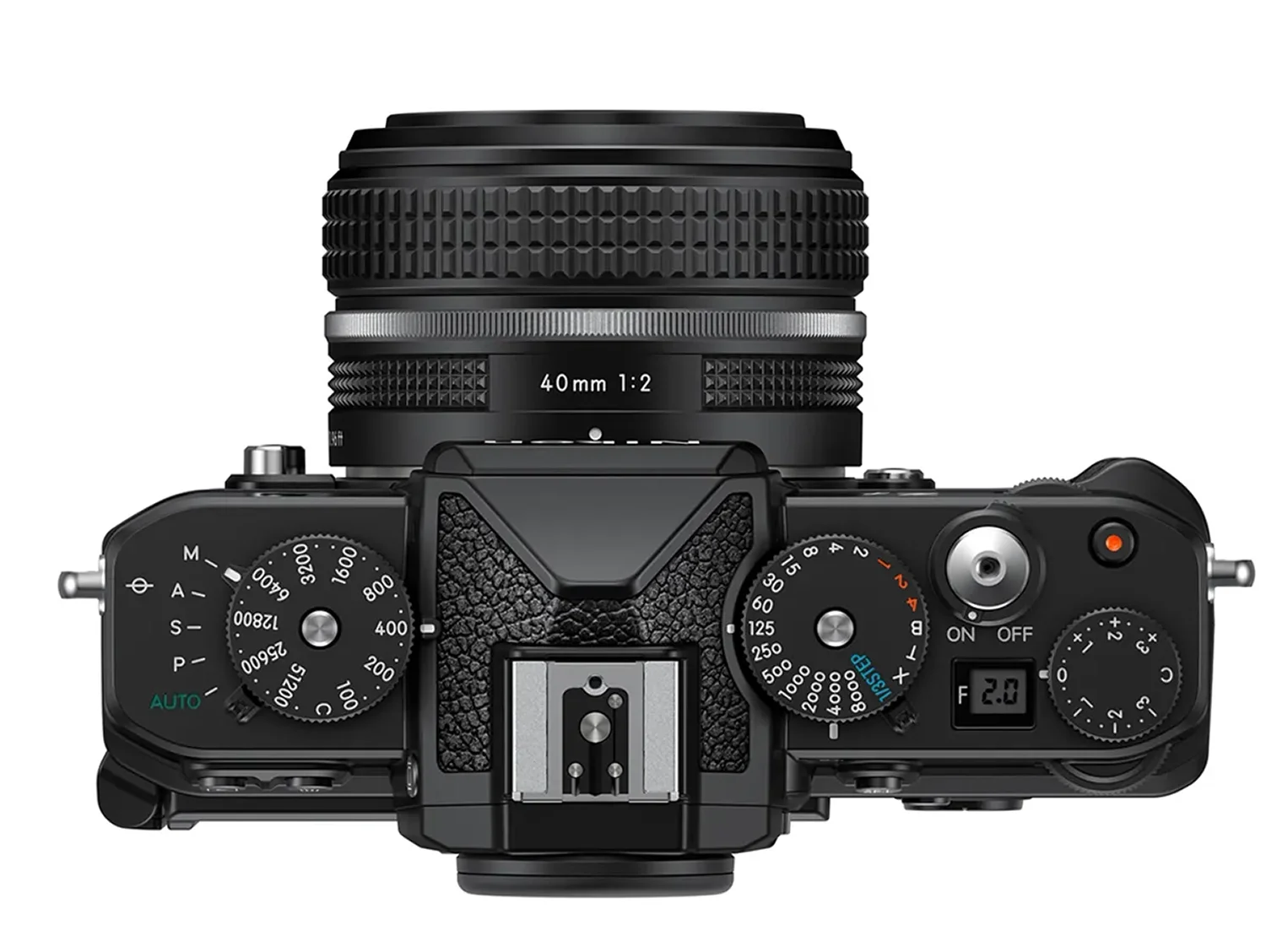
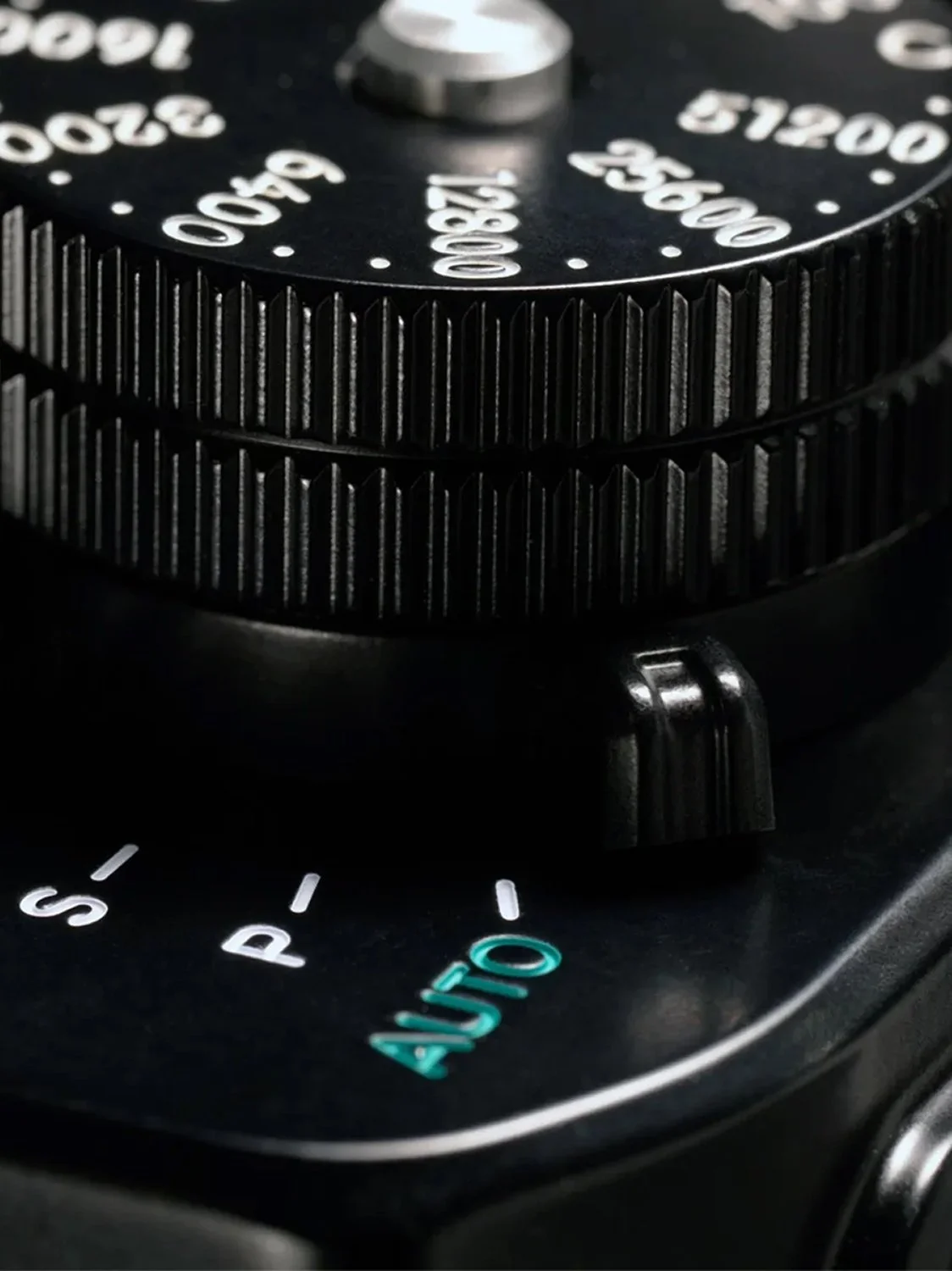
Another relationship strain: Auto-ISO access.
One of the main reasons I wanted a retro camera was simplicity. This should have been a no-brainer.
On the ISO dial:
The C should have been A
Turn to A → Auto-ISO
Set your range and go
I want the Staples Easy Button.
Instead, C stands for Control/Command, and honestly… I still don’t know what it does. You have to select C, assign another button, or dive into menus.
That’s not simple. That’s therapy-inducing.
The Files: Why I Stayed Too Long
At this point, you may wonder why I didn’t just swap hand germs with another camera.
The reason. The files.
The Nikon Zf produces images with something special. A mystique that’s hard to describe—much like the legendary Nikon D700 files from 2008.
Engineers will cite color science and sensor processing. I think if you connect enough sensors and processors, you eventually find gold.
Either way, the images are magical. Almost film-like.
The Best Feature: Black and White Bliss
The standout feature—drum roll please—is the dedicated black-and-white switch.
Black and white is timeless. While other Nikon cameras offer monochrome modes, they’re buried in menus. I never used them.
Being able to visualize in black and white instantly promotes creativity and spontaneity.
Other highlights:
Beautiful shutter sound—a satisfying clunk reminiscent of my Pentax K1000
Super-fast startup, noticeably quicker than my Z8
Solid video performance
Fully articulating screen and excellent subject tracking
A great option for hybrid creators, vloggers, and influencers
Final Thoughts: A Love That Didn’t Last
For a brief time, the Nikon Zf was genuinely fun. It inspired me to slow down, shoot more intentionally, and reconnect with photography fundamentals.
In the end, though, this relationship didn’t work.
The stunning retro design was intoxicating, but combining mechanical dials with digital menus for simple tasks created a complex workflow that pulled me away from the true mechanical experience I wanted.
It feels like Nikon ran the ball all the way down the field… and dropped it at the five-yard line.
By the way—did I mention the Nikon Zf Silver Body version is in my shopping cart? 😊
I found that this product wasn’t the best fit for my workflow, but you can find it here if you’d like to explore it yourself.
Available at:
Nikon Zf (Black)
Nikon Zf (Silver)
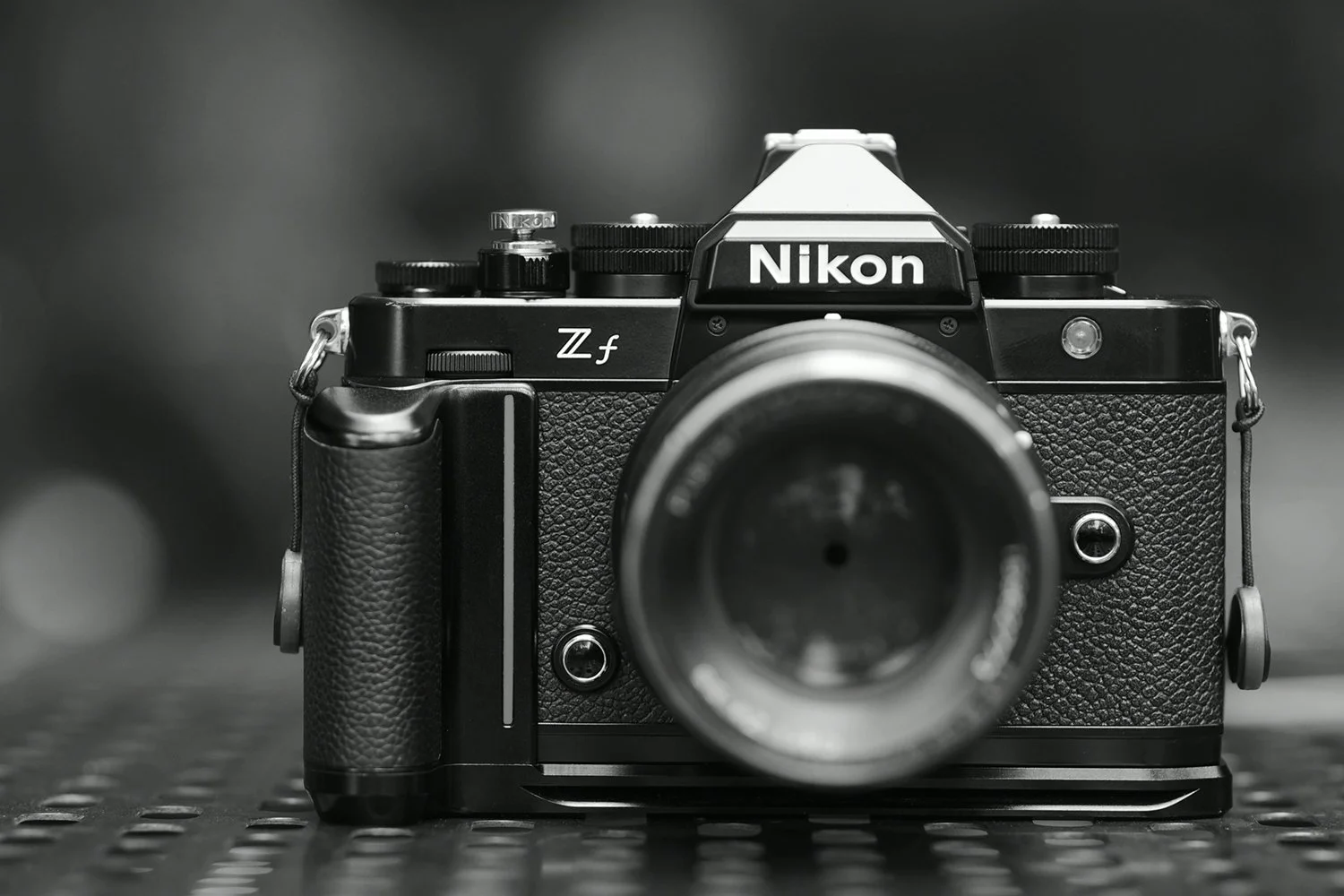
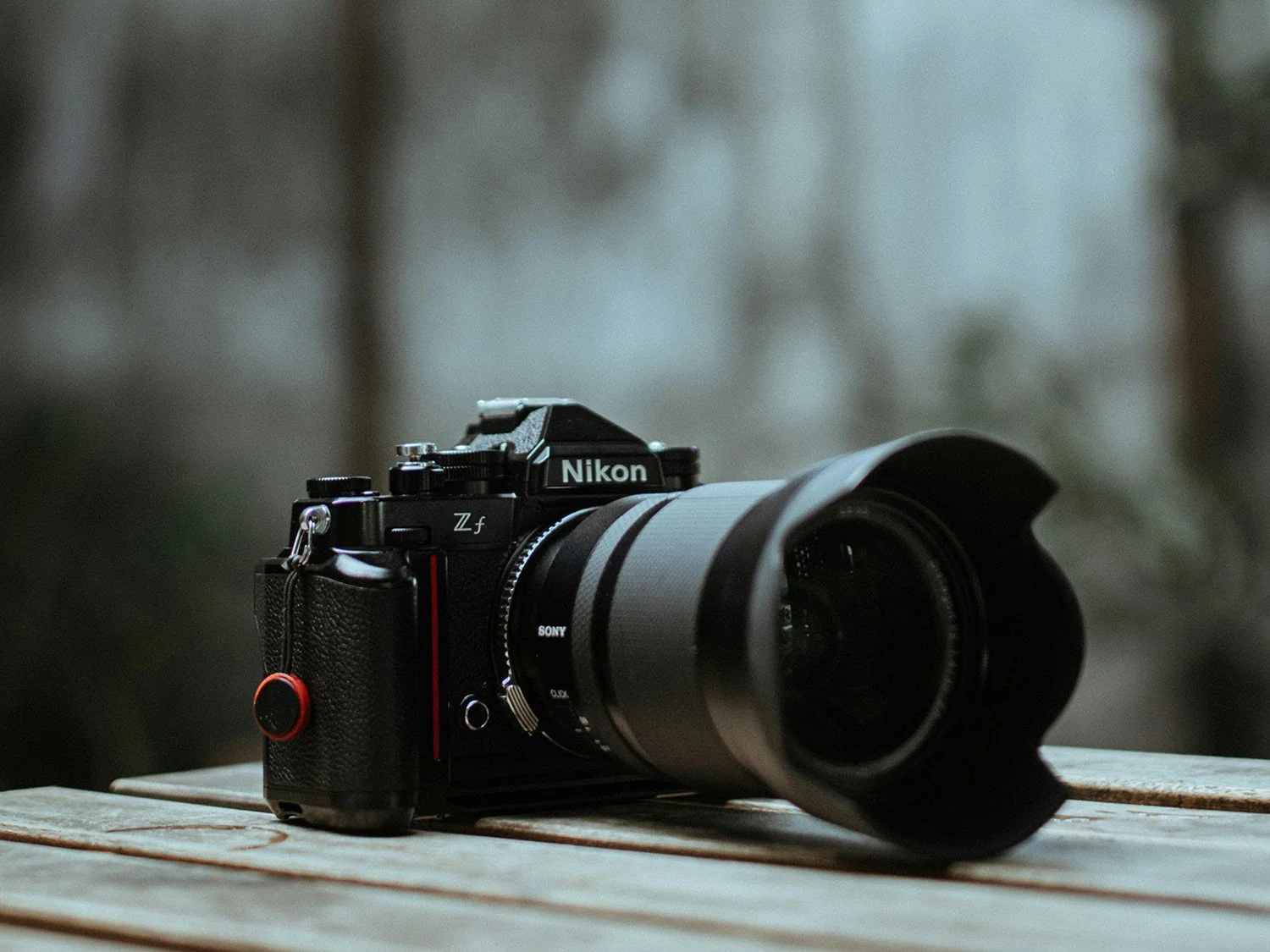
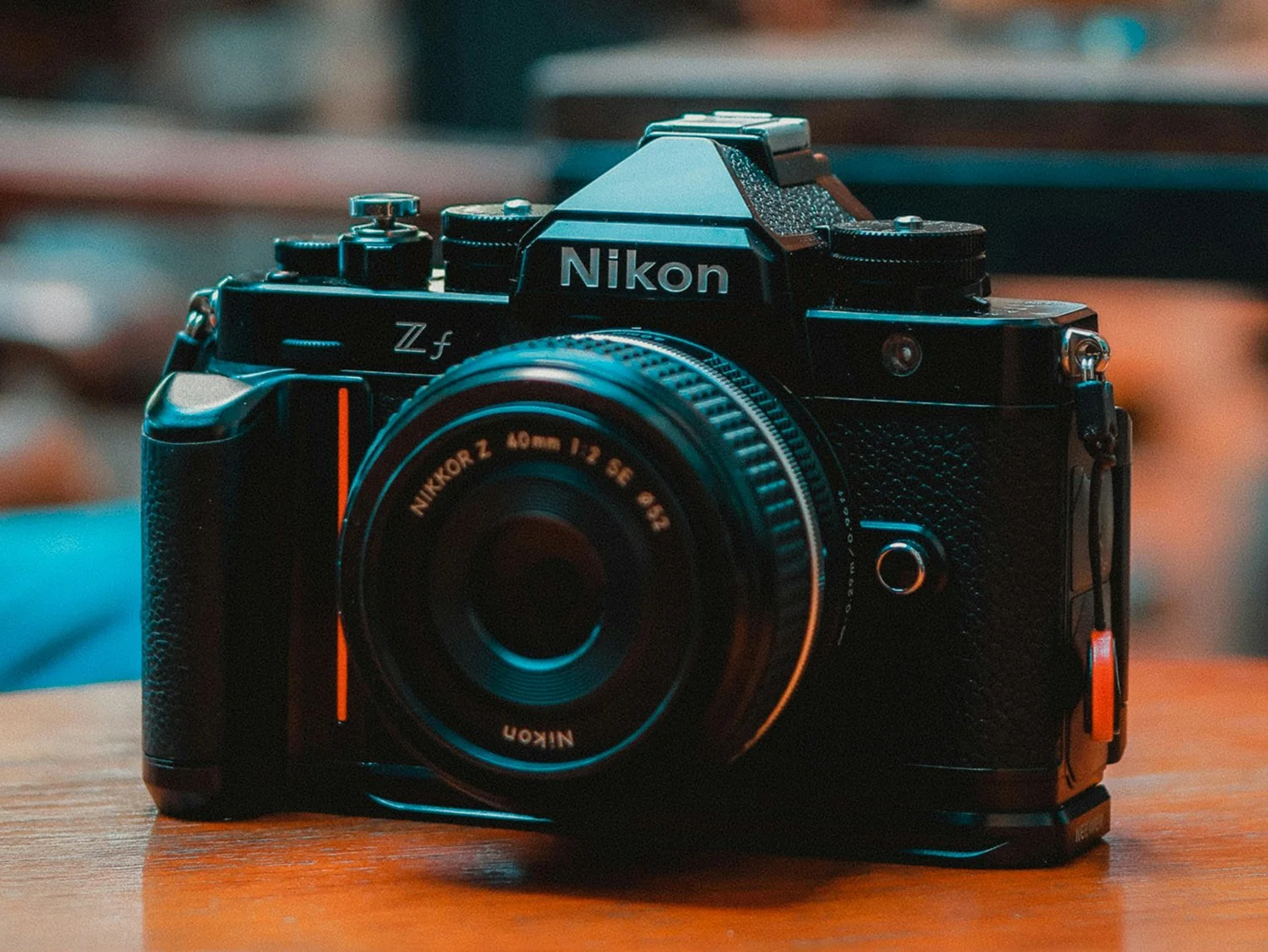
Photo Credits
Since my romance with the Nikon Zf was brief, I sourced stock photos from Pexels, a free-to-use platform offering a vast library of high-quality images.
I’d like to credit the photographers here: Koma Tang, Soc Nang Dang, Max W, Nguyen Tien Thinh, Mr July