Please note: Some links on this page are affiliate links (including B&H and Adorama). This means I may earn a small commission if you purchase through those links—at no additional cost to you.
Birding is a popular pastime in North Carolina. With diverse habitats—mountains, Piedmont, and coast—all in one state, plus major north–south migratory routes, North Carolina is incredibly species-rich. According to the Wildlife Society, over 460 bird species have been documented, with more than half known to breed here.
A Rare Raleigh Visitor
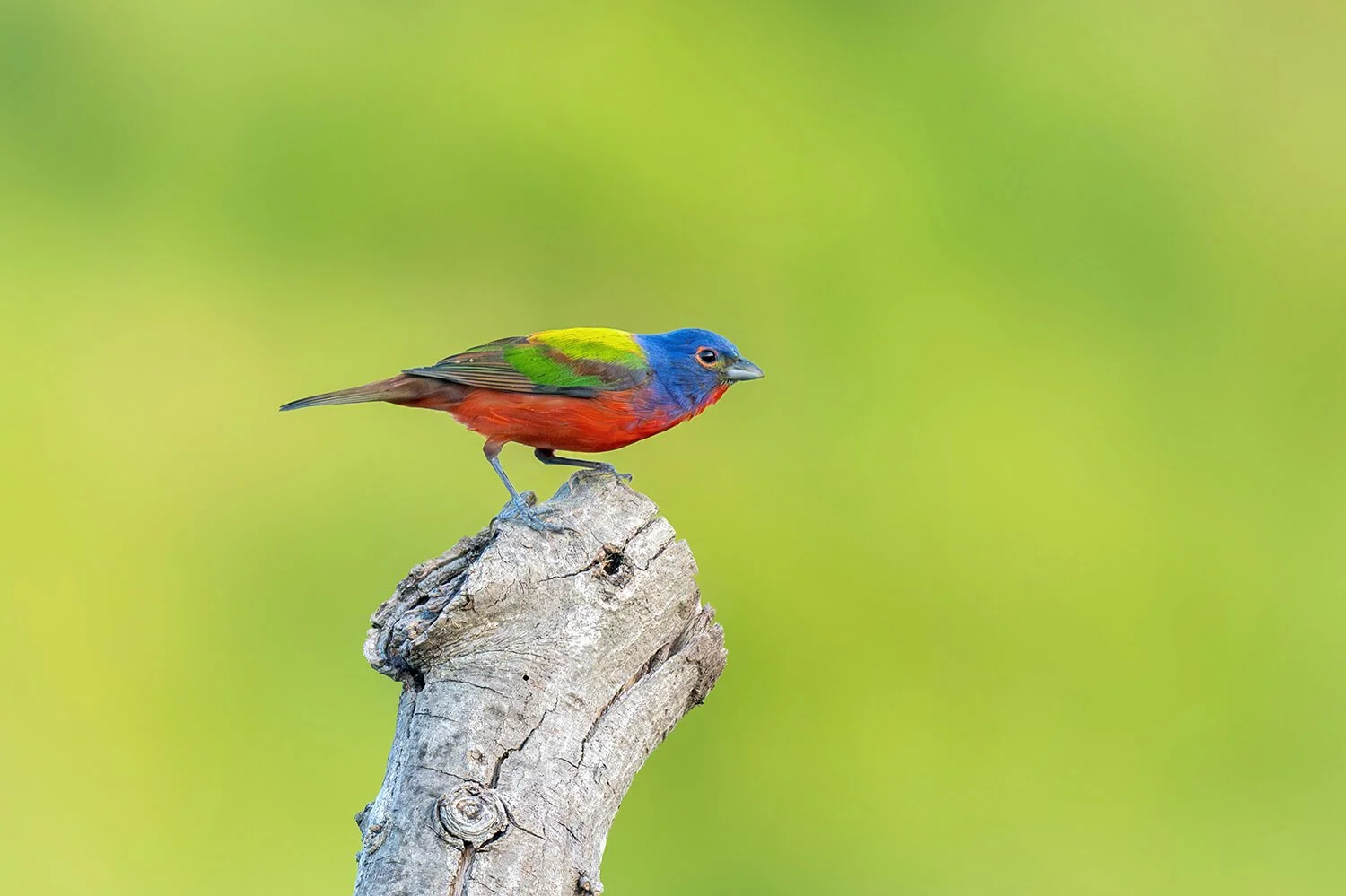
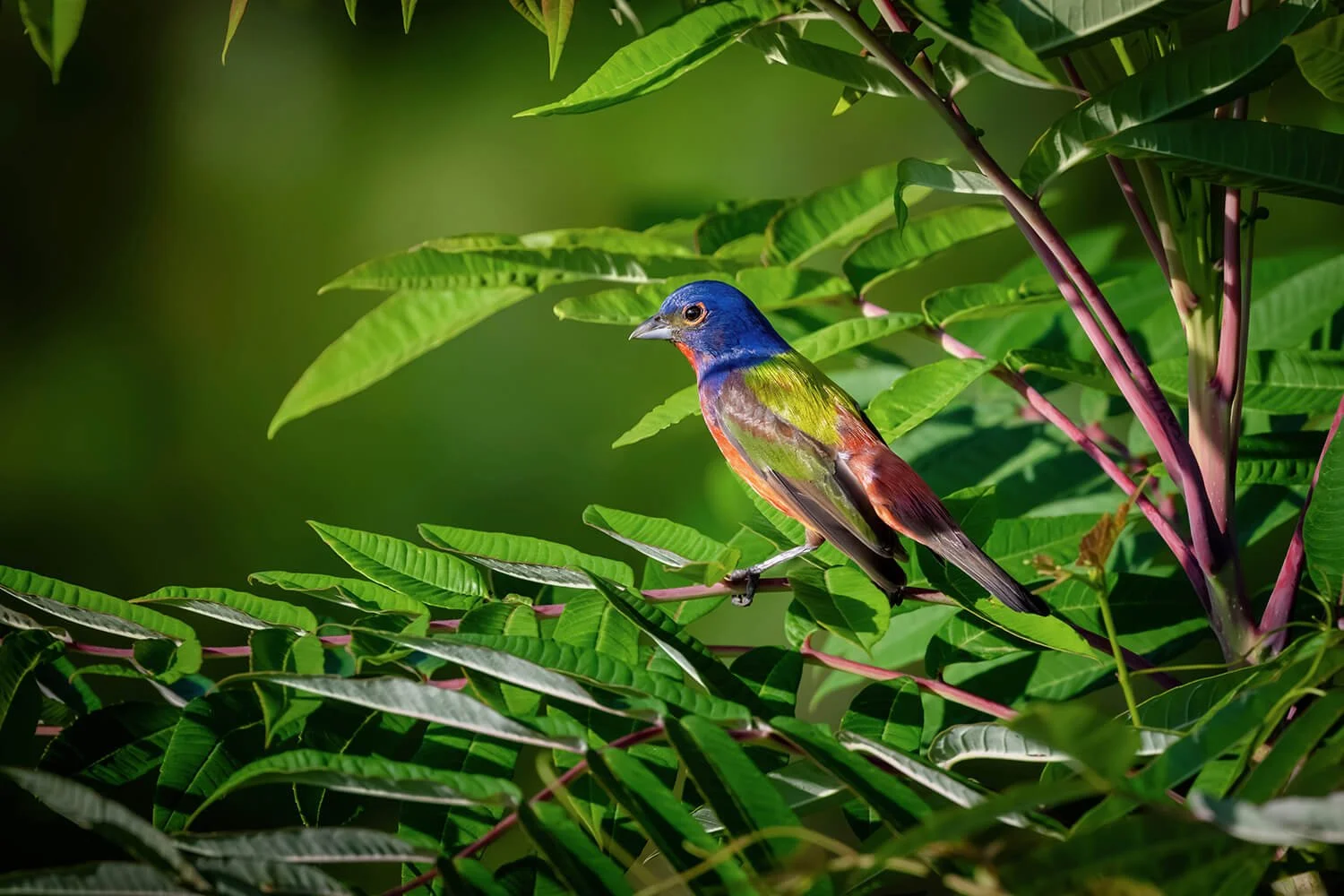
Triangle birders were treated to a rare sight when a male Painted Bunting showed up at Dorothea Dix Park in Raleigh during the spring of 2022. While not unusual in the state overall, Painted Buntings in North Carolina are far more common along the southeastern coastline than in the Piedmont.
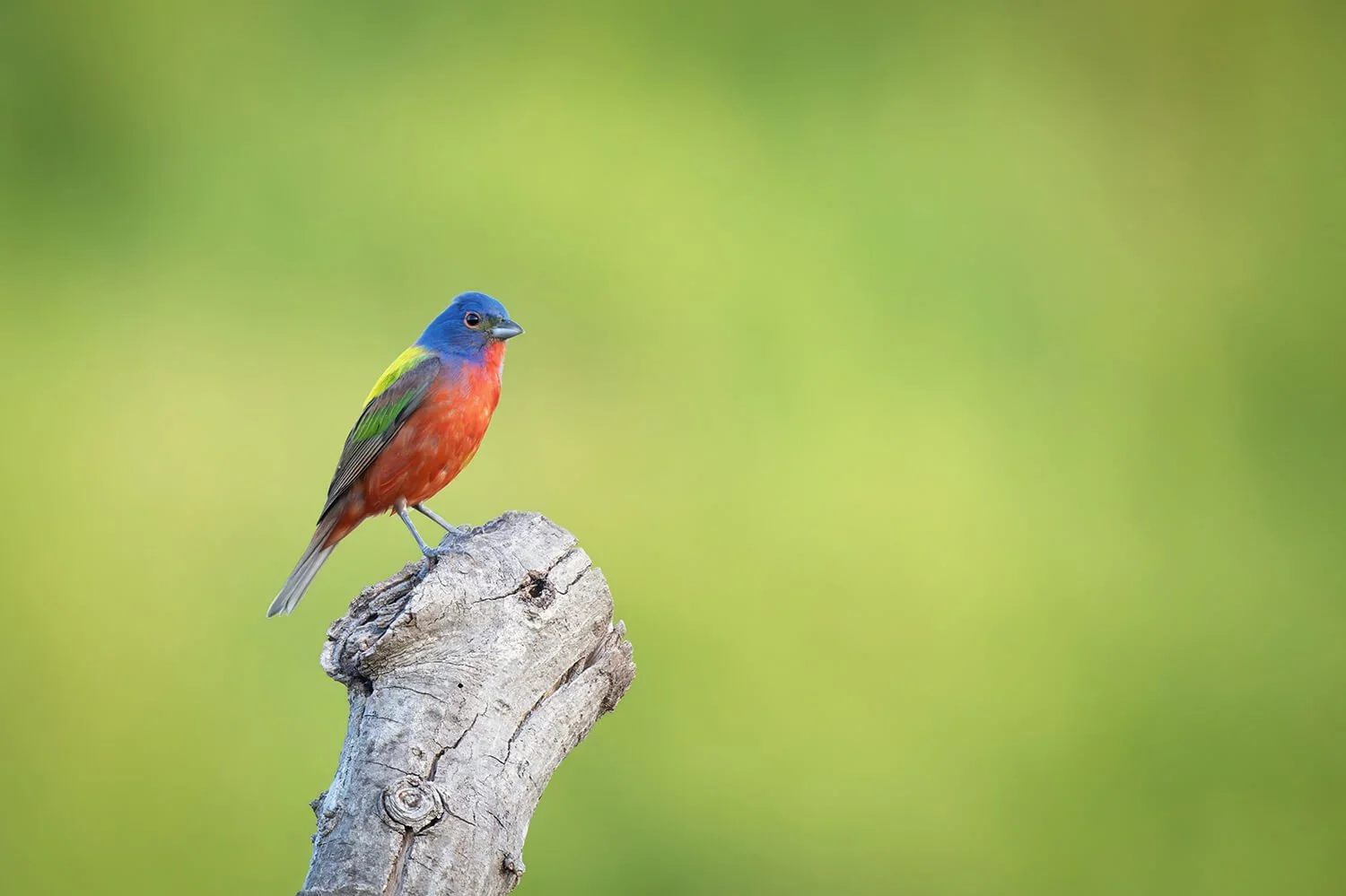
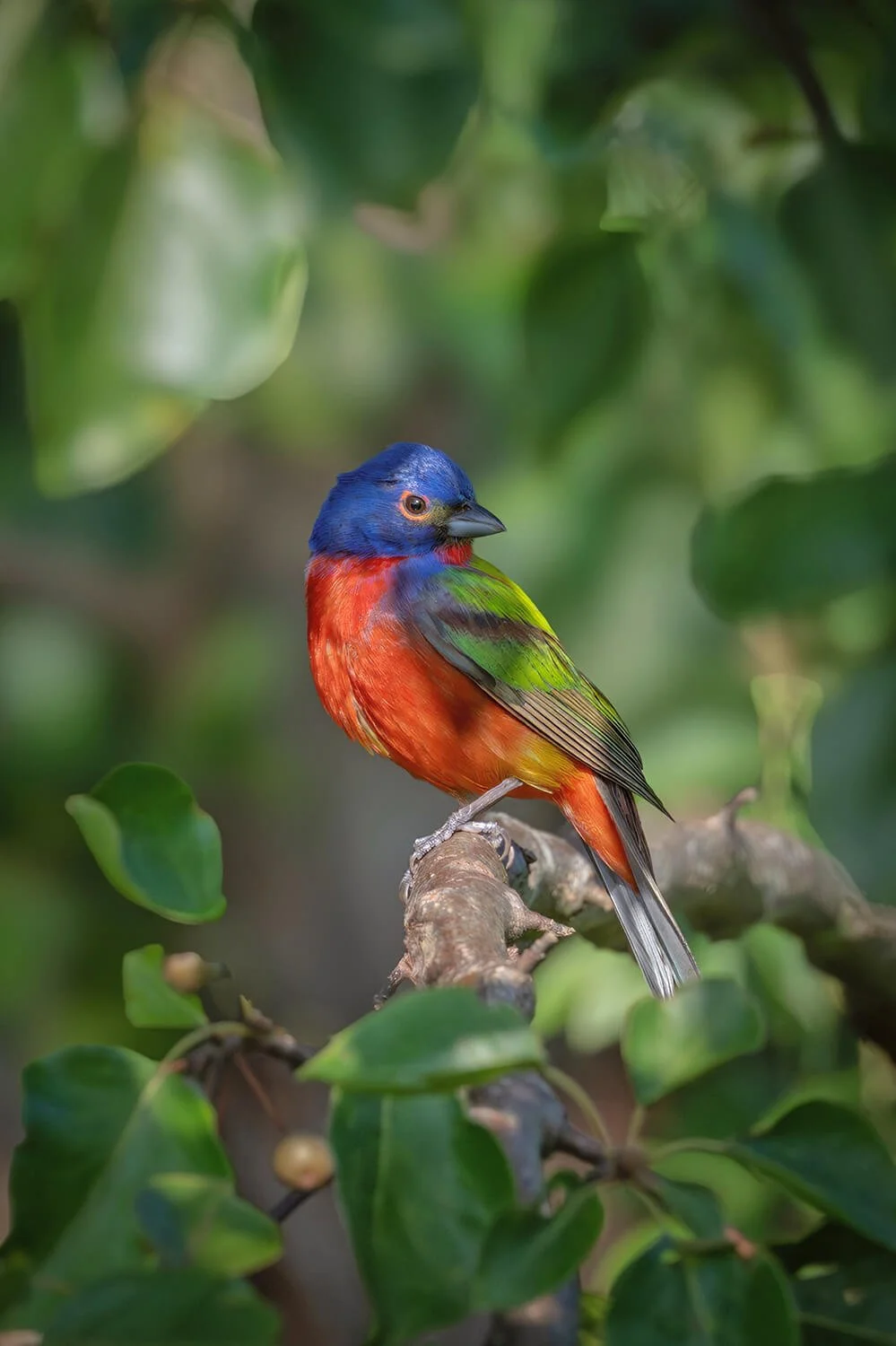
Painted Buntings belong to the Cardinal family, with males sporting brilliant blue, red, yellow, and green plumage—a living rainbow.
As he continued to return in the years that followed, he achieved rockstar status among Triangle birders and across the state, with some people driving for hours from the foothills to catch a glimpse.
His Daily "Concerts"
Acclimating quickly to having an audience, he wasn't shy about taking the stage:
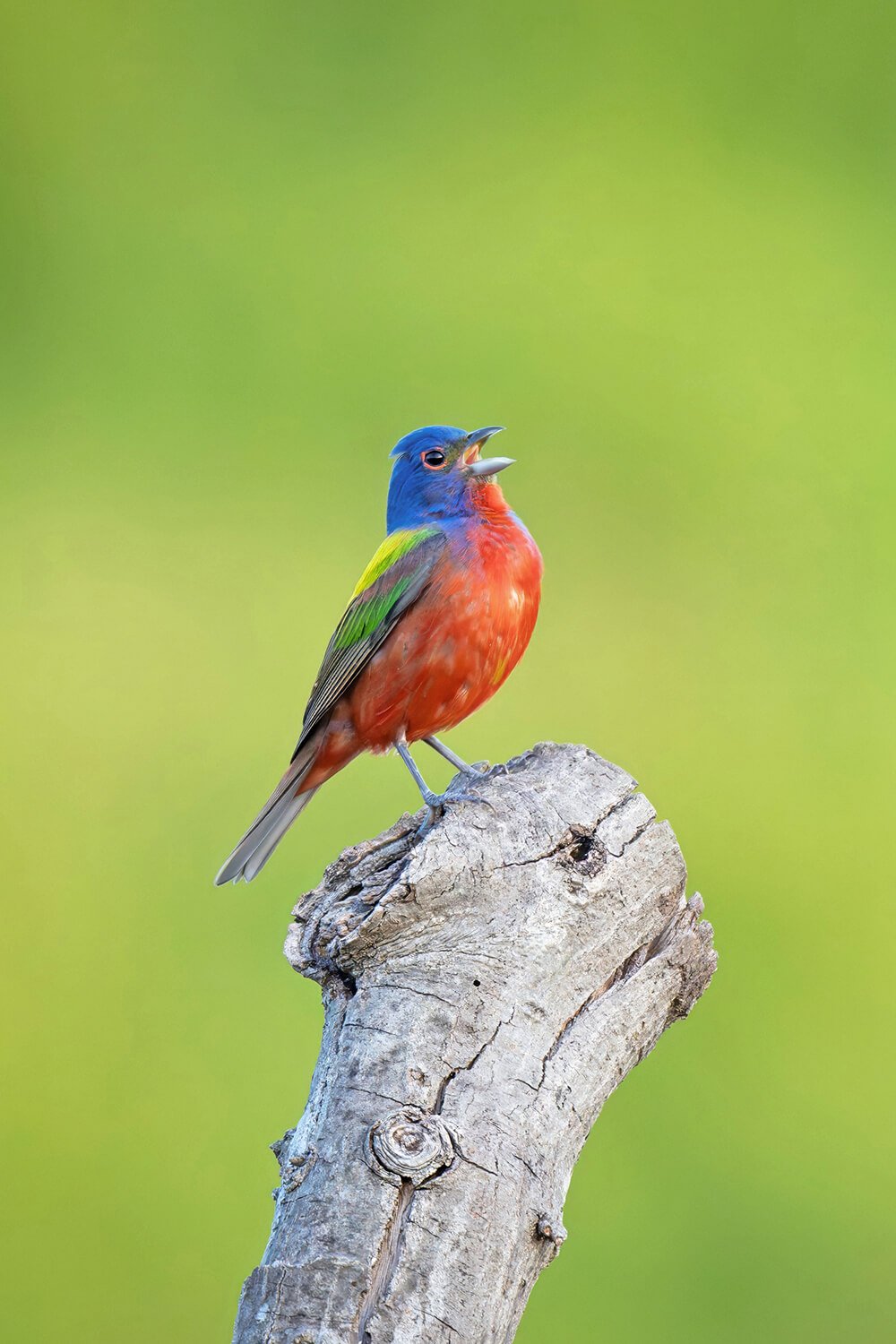
Perching atop favorite trees to belt out long, melodic songs
Drawing groups of photographers and birders gathering underneath
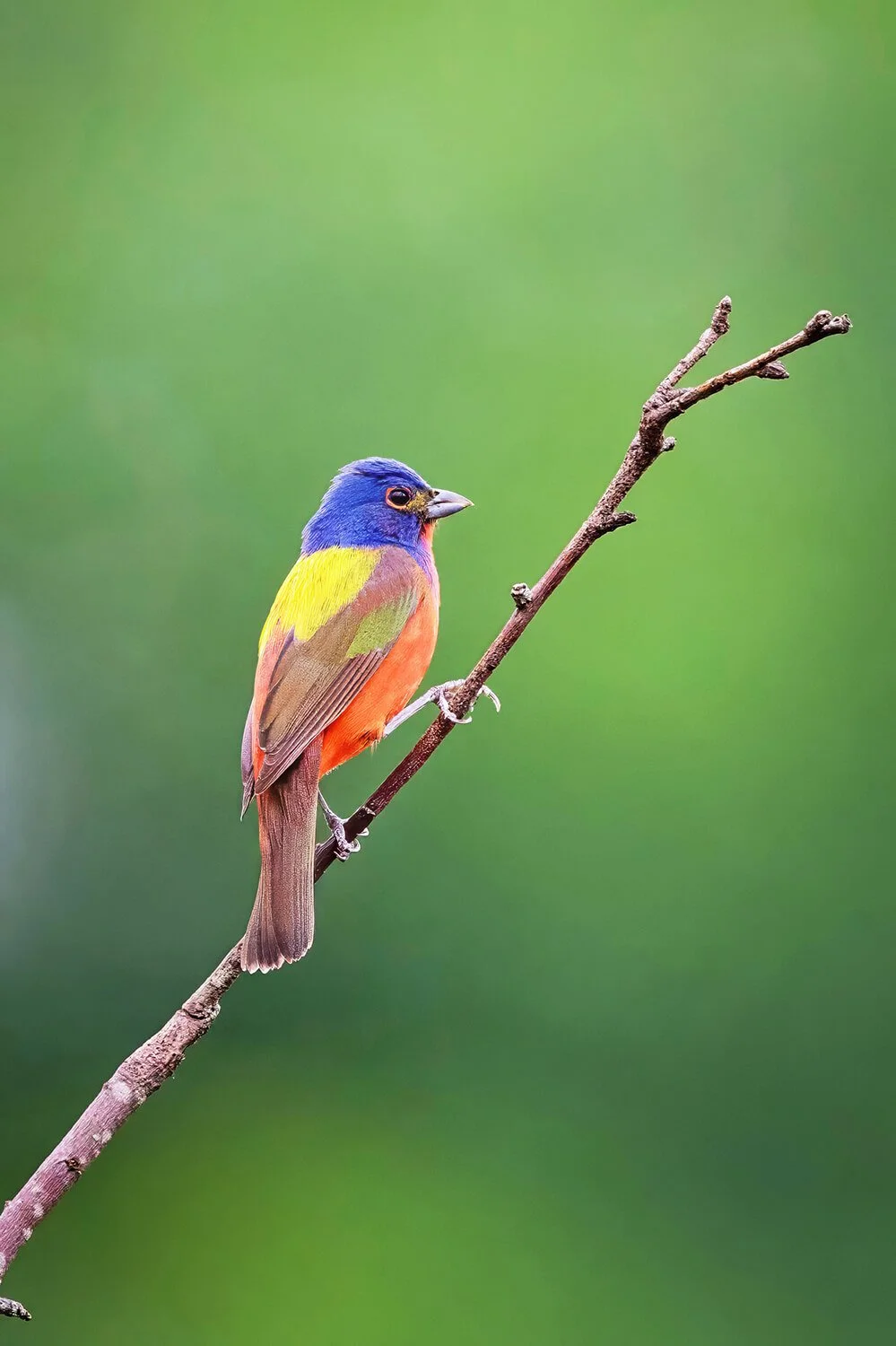
Offering "unplugged" performances at eye level from scraggly brush-pile branches—perfect for early risers
I was lucky enough to be serenaded by him on our very first encounter. That moment sparked my passion for birding and showed me how restorative and calming birdwatching can be. (For more on that, check out my post Birding for Balance.)
As his fame grew, it became common to see 15–20 people lined up—cameras, binoculars, and smartphones in hand—gazing into the treetops. When newcomers asked, "Where's the Painted Bunting?" the answer was simple: follow the crowd.
Chasing the Perfect Shot
Other fellow photographers and I never tired of chasing the perfect shot of this magnificent bird:
A shot with a clean background
A treetop shot
A singing shot
The shot list was endless
We braved heat, humidity, and the occasional rain shower, but the smiles this bird brought were priceless. He created a little bubble for us—a place to escape the wider stresses of the world.
When he needed a break, Indigo Buntings, Blue Grosbeaks, and other feathered regulars at Dorothea Dix Park were happy to sing backup.
My "Concert Photography" Setup
My equipment for photographing this charismatic performer included:
I typically brought one lens per trip and alternated between them.
Camera Settings
For settings, I rely on:
Spot metering
Shutter speed: 1/1000
Aperture: f/6.3 or f/8
ISO: set manually, or auto-ISO for changing light (like birds popping in and out of the woods)
While the Z8 can shoot 20 fps in RAW, I've consistently had better results at 8–12 fps. At 20 fps, I found myself with more unusable shots.
Two Bonus Photo Tips
1. Use DX Crop Mode for Extra Reach
I programmed the video record button on the Z8 to activate DX crop mode while in photo mode.
One quick tap gives me extra reach:
180–600mm becomes up to 900mm
800mm becomes 1200mm
This reduces resolution from 45MP to 19MP, but considering the Nikon D90 was once the cat's pajamas at 12.3MP, I'm not complaining.
2. A Better Way to Carry Big Lenses
I use a Magpul MS3 Sling GEN2, attached to the replacement lens foot via a heavy-duty QD swivel, so the lens hangs comfortably at my waist.
For the Nikon 800mm:
The replacement foot has two QD attachment points
I attach two small safety tether straps with locking carabiners for peace of mind
For the Nikon 180–600mm:
The replacement foot has one QD socket
I use two camera-tether safety straps with loops and hooks
The nylon rope fits through the foot's holes; I cinch it down and clip the hook to the sling
It's not as quick as dual QD swivels, but it's worth it for a lens of this size.
Where to Find the Painted Bunting at Dorothea Dix Park
You don't need a whole armada of gear to enjoy this bird. He often perches close enough for great views with the naked eye, and most smartphones now have more than enough zoom for a shareable photo.
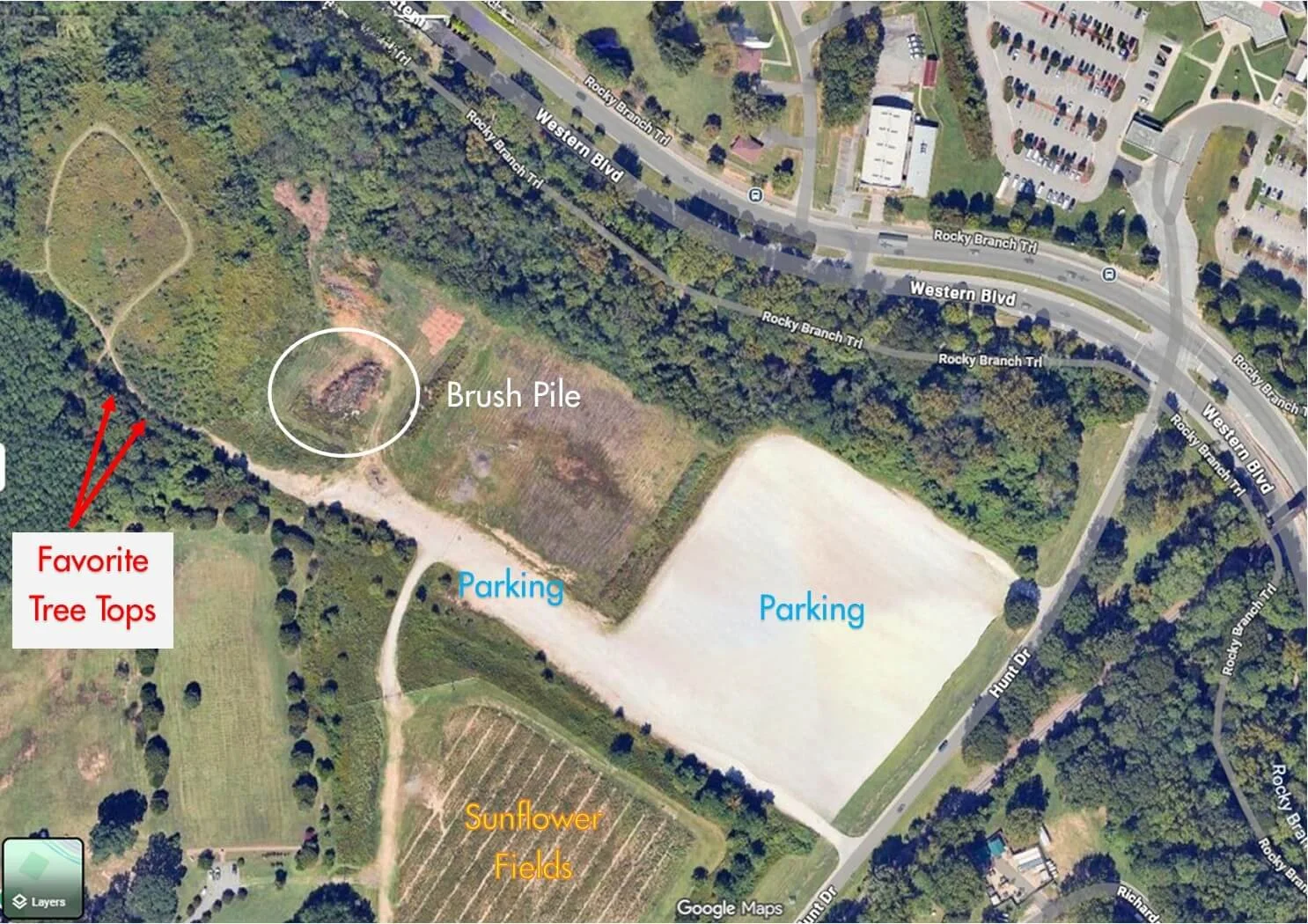
To find his favorite spot:
Turn onto Hunt Drive from Western Blvd.
Take the second right, a gravel drive with a gravel lot on your right.
If it's busy, you may need to park there.
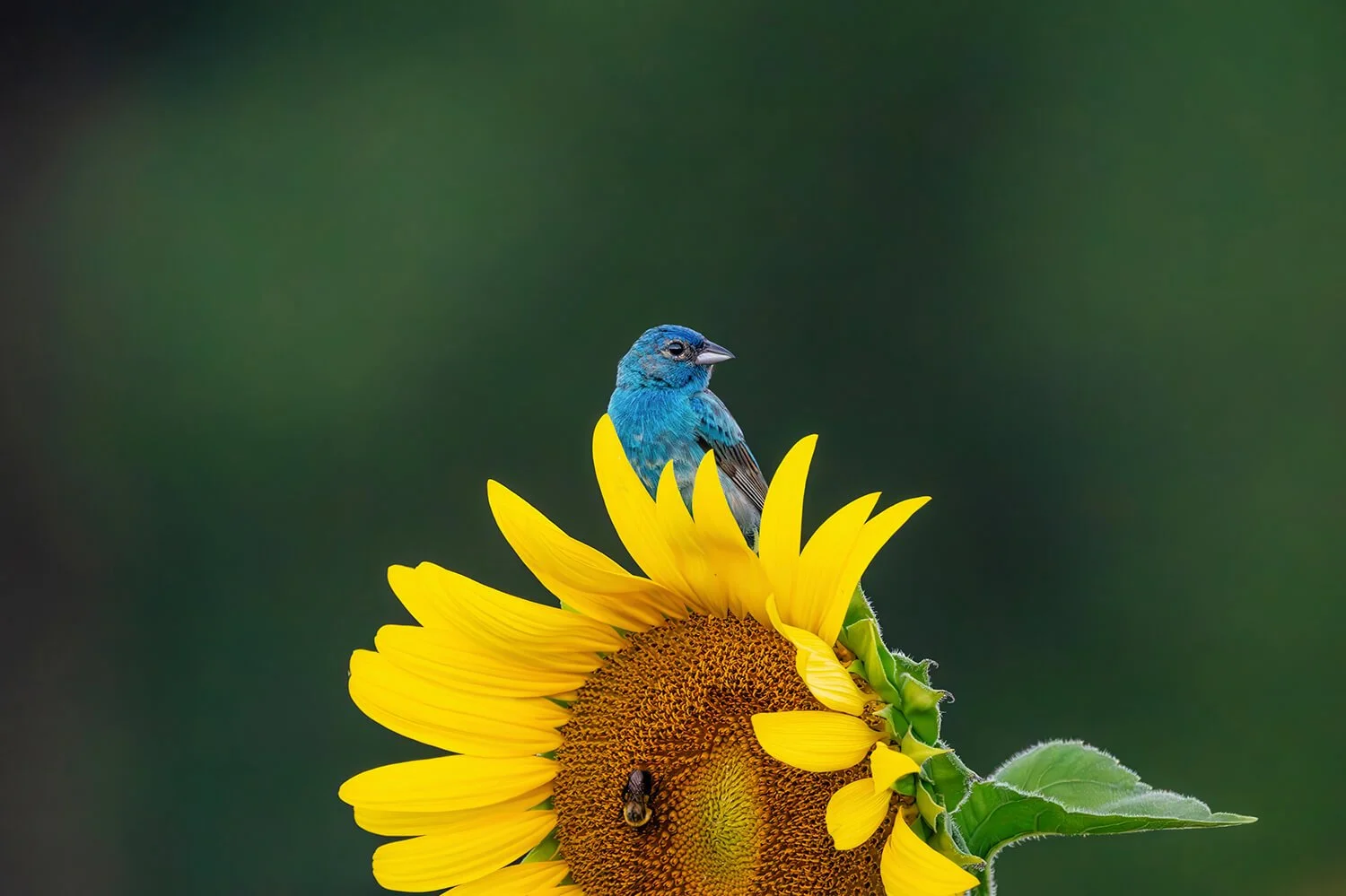
Early mornings or later afternoons are less crowded, and you can continue driving until the parking area ends near the gravel trail leading to the sunflower fields.
In summer, you'll find porta-johns and mobile hand-wash stations nearby.
Once parked:
Look for the large brush pile below the trail to the sunflower fields (at roughly a 45-degree angle).
As you head toward it, you'll notice a path up a small hill—he loves the treetops on the left side of that trail.
Plan Your Visit
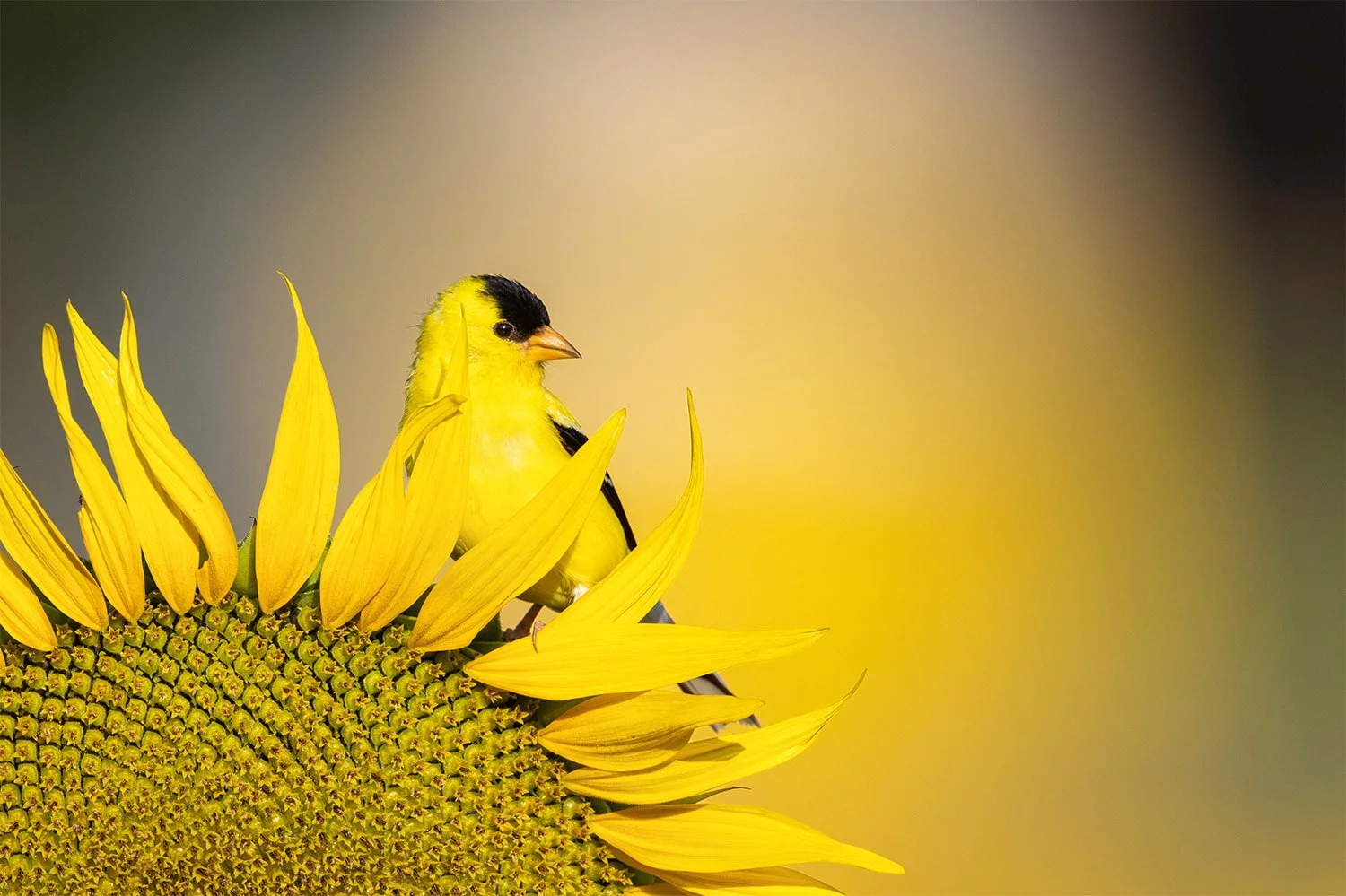
Plan your next seasonal visit to Dorthea Dix Park, and if our beloved Painted Bunting doesn't return, fret not. You can still enjoy the many other bird species, walking trails, and the spectacular sunflowers blooming mid to late July.